
Lower indoor temperatures in summer
Reflective foil under the roofing stops up to 90% of radiant heat from entering, which means your ceiling and living areas stay noticeably cooler during heatwaves.
Footscray Roof Insulation
Foil-faced blankets and sarking installed under your roofing in Footscray to cut summer heat gain through tiles or metal sheeting.
Share your details and Expert Insulation Melbourne will contact you about Roof Insulation in Footscray.
Roof insulation sits at the roofline under tiles or metal sheeting to reflect radiant heat before it enters your home. In Footscray, this is especially effective against hot northerly winds and heatwaves that push temperatures up through uninsulated roofs. We install foil-faced blankets and sarking, which are ideal for raked or cathedral ceilings and for homes where the roof space is hard to access for traditional batts.
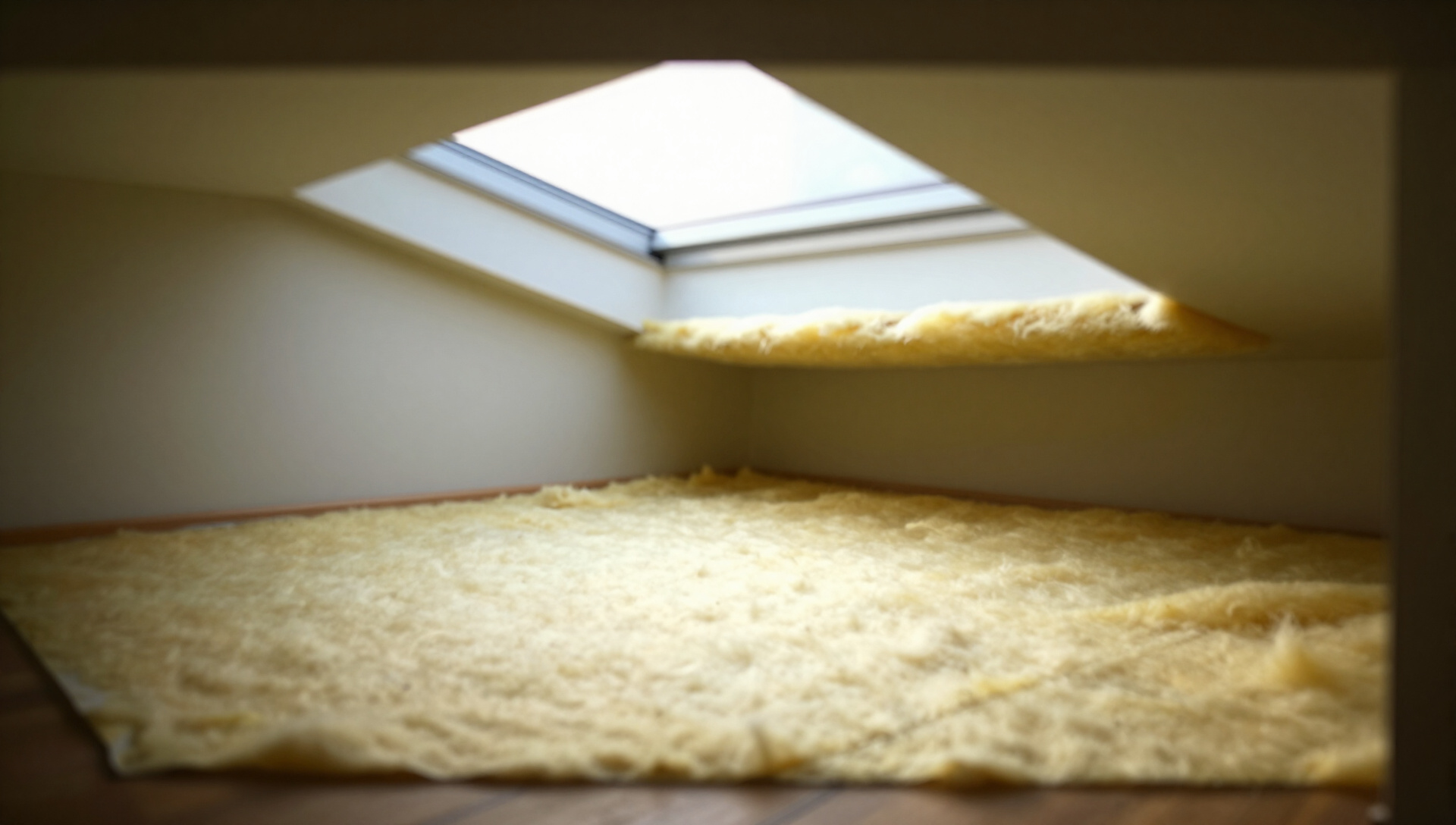
Footscray’s mix of older weatherboard homes and newer brick veneer properties often struggle with heat build-up under the roof. Roof insulation addresses this directly by blocking radiant heat at the source, keeping living spaces cooler without overworking your cooling system.
Reflective foil under the roofing stops up to 90% of radiant heat from entering, which means your ceiling and living areas stay noticeably cooler during heatwaves.
By cutting heat gain at the roof, your cooling system runs less often, lowering energy use and power bills during Melbourne’s hot summers.
Sarking or foil-faced blankets take the brunt of the heat, so your ceiling batts last longer and perform better over time.
Reflective foil laminates like sisalation help manage condensation and keep ceiling dust out of your living spaces.
Can be installed under tiles or metal sheeting without altering the roof’s appearance or requiring major structural changes.
Pairing roof insulation with ceiling batts creates a complete thermal barrier, addressing both radiant and conductive heat transfer.
Installing roof insulation requires careful handling of the roof space and existing materials. We work efficiently to minimise disruption while ensuring the foil is correctly positioned with the required air gap for maximum effectiveness.
We check the condition of your roofing, rafters and any existing insulation. If old batts are compressed or damaged, we recommend removal before installing new materials.
Foil-faced blankets or sarking are measured to fit between rafters or under the roofing sheets, with allowance for overlaps and sealing at joins.
The reflective foil is stapled or fixed to the rafters or roof framing, maintaining a 25mm air gap to allow the material to reflect heat effectively.
All edges and overlaps are sealed with foil tape to prevent heat leakage and ensure the system performs as intended.
Footscray’s older weatherboard and brick veneer homes often have uninsulated roof spaces that let summer heat pour in through the ceiling. Roof insulation is a practical upgrade for these properties, particularly where access to the roof space is limited or where traditional ceiling batts are not enough to combat Melbourne’s extreme temperature swings. Nearby areas like Yarraville and Seddon share similar housing stock and climate challenges, making roof insulation a smart choice for the whole inner west.
We install roof insulation in Footscray to reduce summer heat gain through tiles and metal sheeting.
Homeowners in Footscray often ask how roof insulation compares to ceiling insulation and whether it can be added to an existing roof. Here are the key details to help you decide.
Roof insulation in Footscray is installed at the roofline under tiles or metal sheeting to reflect radiant heat before it enters the home. This is particularly effective in Footscray, where hot northerly winds and heatwaves can push temperatures up through uninsulated roofs, making living spaces uncomfortably warm. Foil-faced blankets and sarking are the most common materials used, as they provide a high level of thermal resistance and are suitable for raked or cathedral ceilings.
For Footscray homes, roof insulation works best when paired with bulk ceiling insulation. While ceiling batts slow conductive heat transfer, roof insulation blocks radiant heat at the source. This combination reduces the overall heat load on your home, lowering cooling costs and improving comfort during Melbourne’s hot summers. The installation process involves securing the reflective foil to the rafters or roof framing with a 25mm air gap to ensure optimal performance.
Older weatherboard and brick veneer homes in Footscray often lack adequate roof insulation, leading to excessive heat gain and higher energy bills. Adding roof insulation is a cost-effective way to improve thermal performance without major renovations. It also helps protect existing ceiling insulation from heat degradation, extending its lifespan. If your roof space has old, compressed or damaged batts, we recommend removing them before installing new materials to ensure the best results.
Reduce summer heat gain through your roof with expert installation in Footscray. Call us to discuss your home’s needs and arrange a time on site.